
cat _posts/2019-04-23-firefox-miner-en.md
23 April 2019Analysis of a fake Firefox update trojan
I was asked to analyze a suspicious file named FirefoxUpdate.exe. Its hash is:
MD5: 342E134B3DE901EE6A915909AECDAC4A
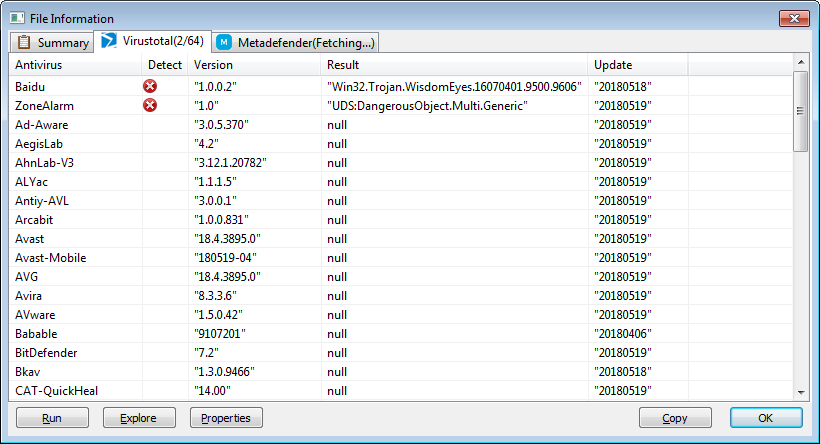
The executable is not packed and was written in C#. Two antivirus engines on VirusTotal detect it as Win32.Trojan.WisdomEyes and UDS:DangerousObject.Multi.Generic.
The PDB path embedded in the file suggests that the username on the developer’s computer was Achraf.

Decompiling the file shows that it requests http://164.132.197.47/security-updates/available.php on startup.
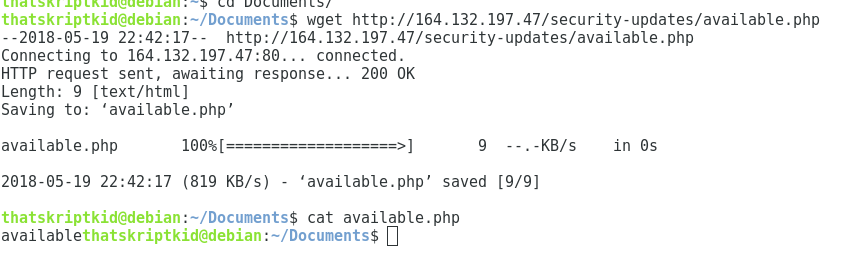
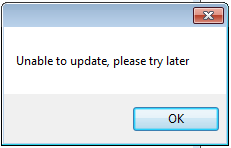
If the response contains the string “available”, the malware continues. Otherwise, it displays a window with the message “Unable to update, please try later”.
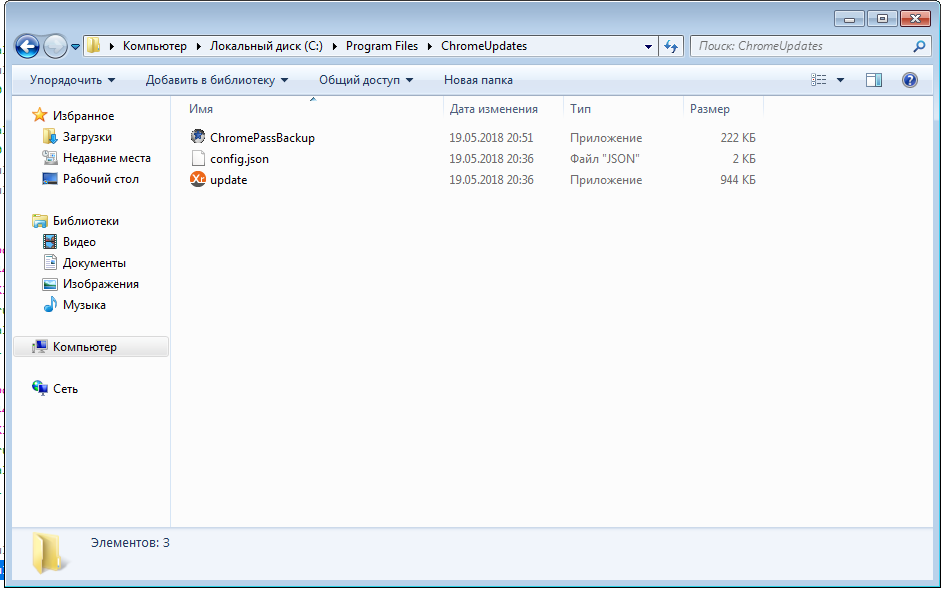
Next, the executable creates C:/Program Files/ChromeUpdates/. Depending on whether the operating system is 32-bit or 64-bit, the malware appends the corresponding number to http://164.132.197.47/security-updates/. It then downloads three files from the resulting URL: update.exe, config.json, and ChromePassBackup.exe. All three are saved in C:/Program Files/ChromeUpdates/.
The contents of config.json:
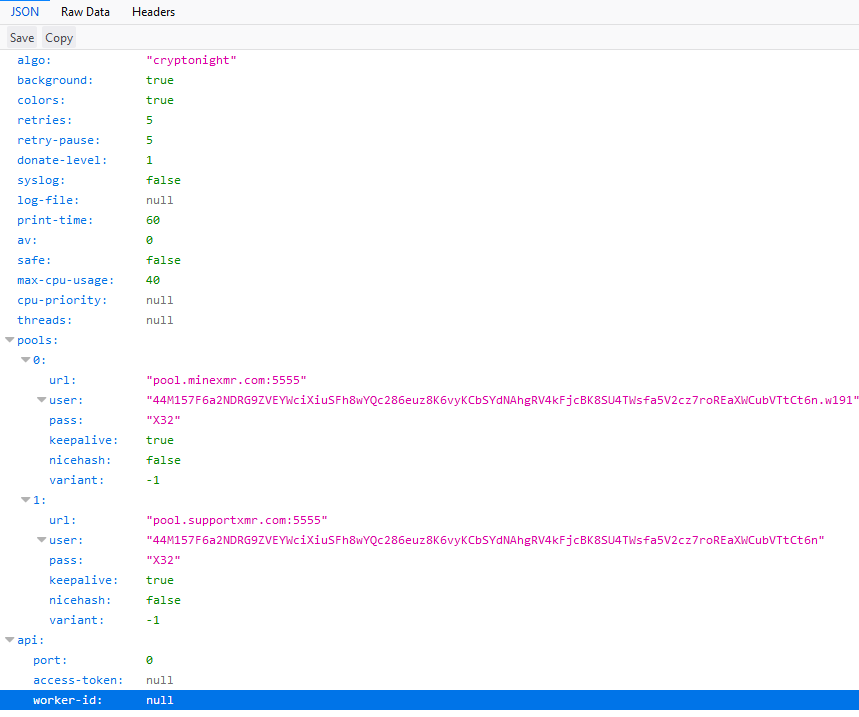
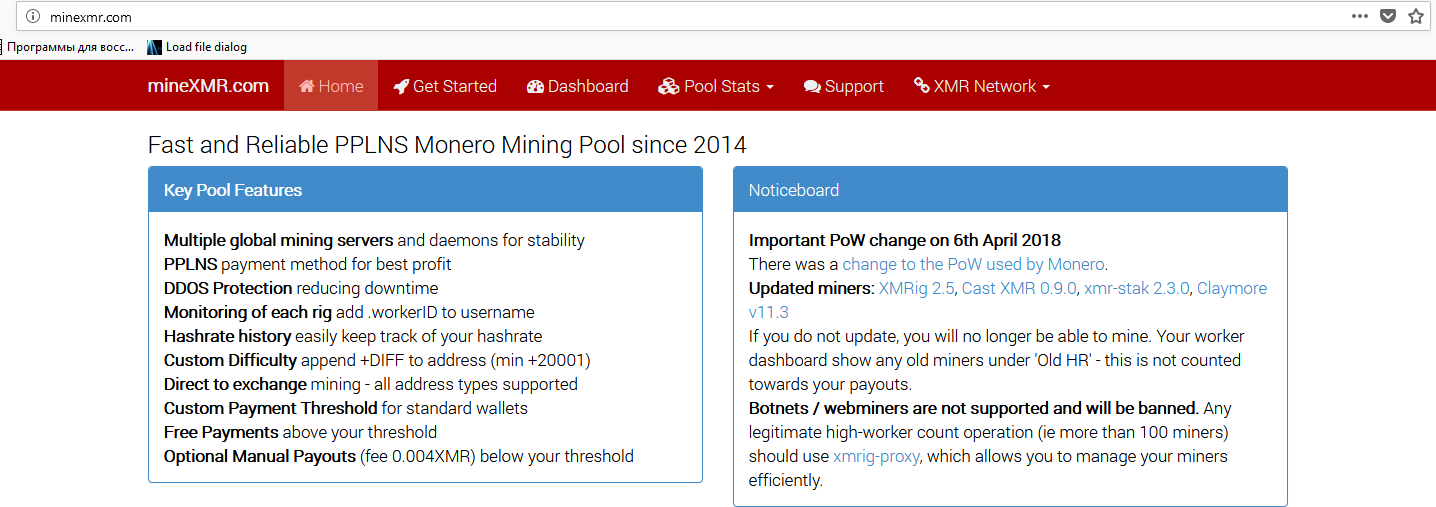
The URLs indicate that this is a Monero miner configuration.
After the download completes, the malware starts a hidden cmd.exe process with the following arguments: /C schtasks /create /tn SecurityUpdates /tr "C:\Program Files\ChromeUpdates\update.exe" /sc onstart /RU SYSTEM.
This launches schtasks.exe, which creates (/create) a scheduled task named (/tn) SecurityUpdates. At system startup (/sc onstart), the task runs (/tr) C:\Program Files\ChromeUpdates\update.exe as SYSTEM (/RU SYSTEM).

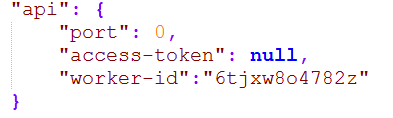
Next, the malware generates a 12-character random string using characters from abcdefghijklmnopqrstuvwxyz0123456789.
It replaces NULL in the worker-id field of C:\Program Files\ChromeUpdates\config.json. This appears to be a random identifier for the mining client.
The malware then creates another cmd.exe process with the arguments /C netsh interface ipv4 add dnsservers
NAME_OF_NONLOCAL_NETWORK_INTERFACE address = 1.1.1.1 index = 1. This adds 1.1.1.1 as the preferred DNS server for every available network interface except the loopback interface.

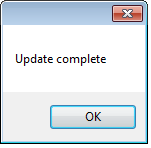
Finally, an Update complete window appears.
ChromePassBackup.exe
The executable downloaded in the previous step is NirSoft ChromePass, a utility for viewing passwords saved by Google Chrome.
Update.exe
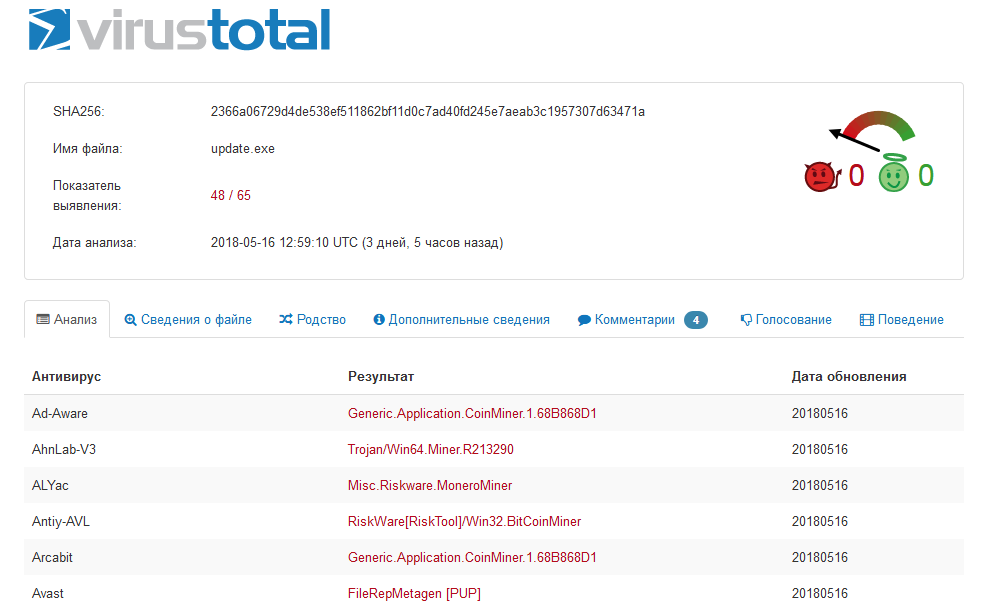
This is the file launched by the scheduled task. VirusTotal identifies it as a miner. Its source is available in the XMRig repository.
System recovery and IOCs
-
Delete the folder
C:/Program Files/ChromeUpdates/. -
Block the IP address
164.132.197.47in the firewall. -
Delete the scheduled
SecurityUpdatestask with the command:schtasks /Delete /TN SecurityUpdates -
Replace
1.1.1.1with the intended DNS server.